

Coconut jelly calories are an important consideration for anyone watching their energy intake. Coconut jelly is a delicious and refreshing treat made from natural coconut water, often enjoyed in drinks or desserts. But is this tropical favorite as light as it tastes? Let’s take a closer look at the calorie content and see how it fits into a healthy lifestyle.
What’s really in coconut jelly?
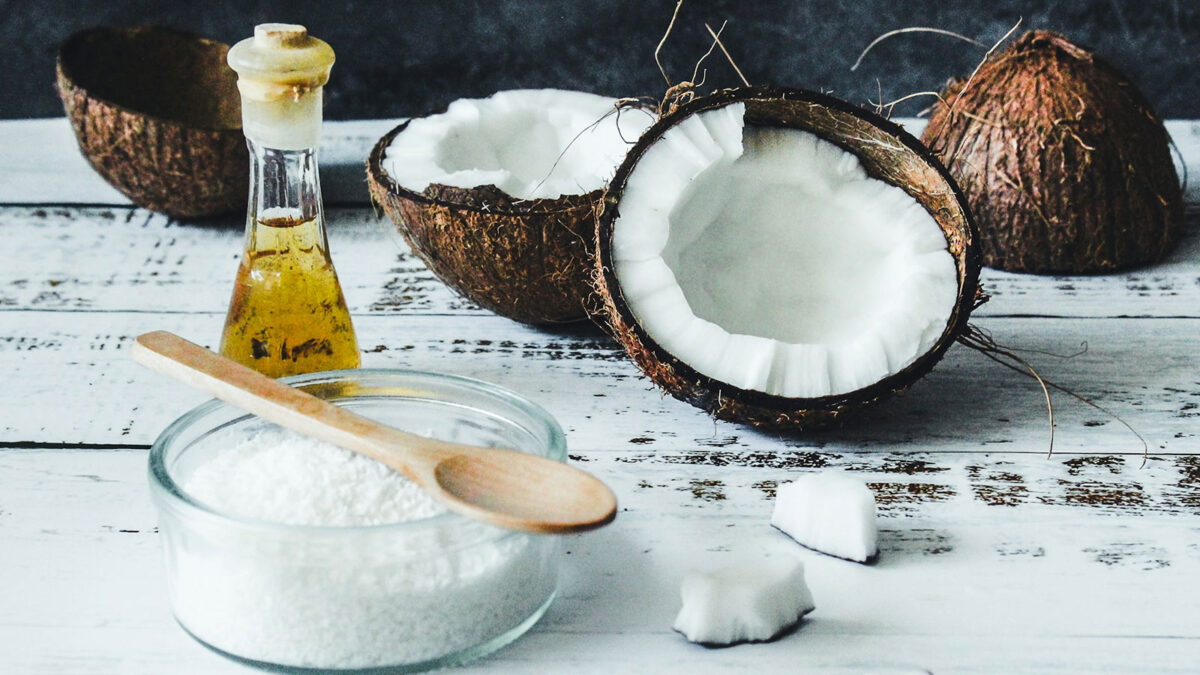
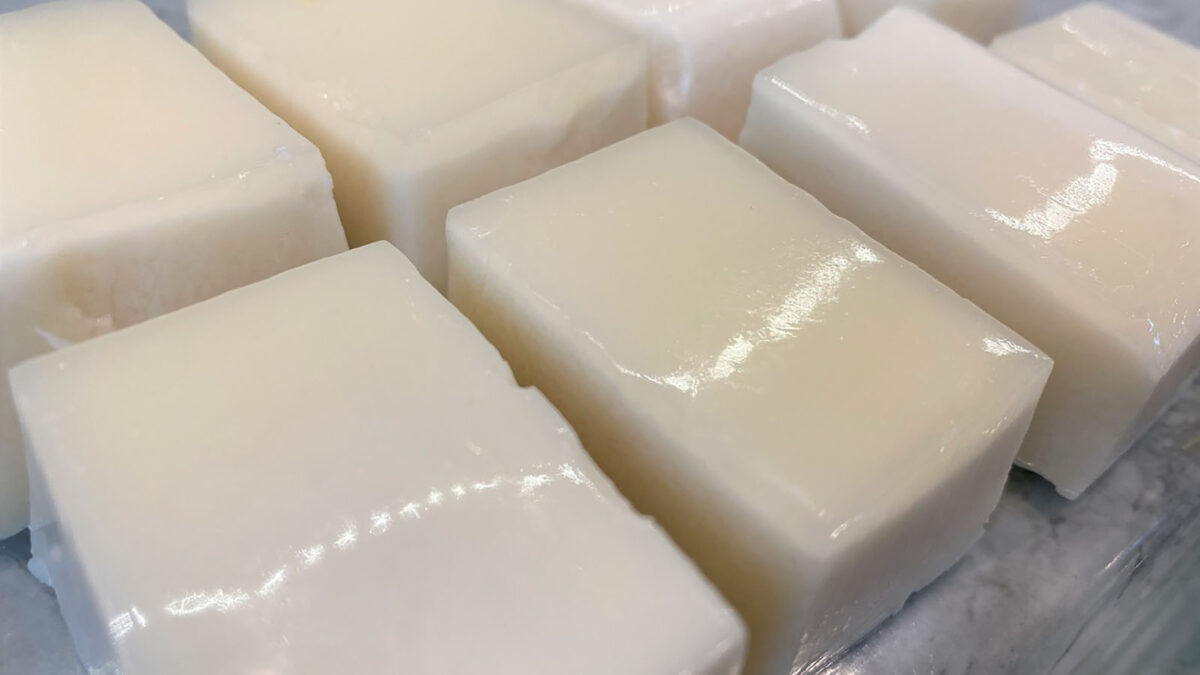
Coconut jelly is a sweet, translucent dessert crafted from coconut water and coconut flesh, celebrated for its smooth, slightly chewy texture and light tropical flavor. Often shaped into delicate cubes or molded into creative forms, this jelly offers both visual appeal and a refreshing taste.
Making coconut jelly cubes begins with extracting the naturally hydrating water from mature coconuts. Then, add agar-agar or gelatin to turn the mixture into a soft, jelly-like form. Once poured into a mold or tray, it’s left to set until firm, resulting in a dessert that gently wobbles and melts in the mouth.
Its flavor is typically sweet and creamy coconut aroma, making it a go-to dessert for warm days or light finishes to a meal. Originally popular in tropical regions where coconuts are abundant, it has now made its way into international kitchens and menus. Its appeal lies in its unique combination of refreshing taste, playful texture, and wholesome ingredients.
Coconut jelly is a treat that comes mostly from coconut, so it’s great, especially among health-conscious eaters. If you’re someone who lives a healthy lifestyle, it’s worth taking a closer look at coconut jelly calories to understand better how it fits into your daily nutrition.
How many calories in coconut jelly?
Coconut jelly is a light, refreshing dessert, but how does it stack up in terms of calories and nutrition? Are you watching your calorie intake or simply curious about what’s inside this tropical treat? Understanding its ingredients, coconut jelly calories, and overall nutritional profile can help you make an informed choice.
Ingredients
Coconut jelly cubes are loved not only for their refreshing taste but also for their simple, tropical ingredients. This jelly is typically made from a combination of coconut-based elements and gelling agents that give it its signature smooth and chewy texture. The core ingredients include:
- Coconut water: the naturally sweet, hydrating liquid found inside coconuts. It provides a subtle sweetness and light coconut flavor while contributing to the jelly’s moisture and electrolyte content.
- Coconut flesh: soft or shredded young coconut meat adds texture and enhances the coconut aroma. It also provides a small amount of fiber and healthy fats.
- Gelling agents: commonly agar-agar, a plant-based thickener derived from seaweed, or gelatin, an animal-based alternative. These ingredients help set the jelly into firm, bouncy cubes or shapes.
- Sweeteners (optional): sugar, syrup, or other sweetening agents may be added to enhance flavor. The amount and type of sweetener used can significantly affect the coconut jelly calories.
- Flavorings (optional): pandan, vanilla, or fruit extracts are sometimes included to create a more distinctive taste or aroma.
In commercial products, additional ingredients such as preservatives, food coloring, or artificial flavors may also be present. These are often added to improve shelf life, color consistency, or taste appeal but may impact the overall nutritional profile.
Understanding these components is key to evaluating the healthiness of coconut jelly. Depending on the recipe and preparation, the final product may vary in sweetness, texture, and calorie content.
Nutrition Facts
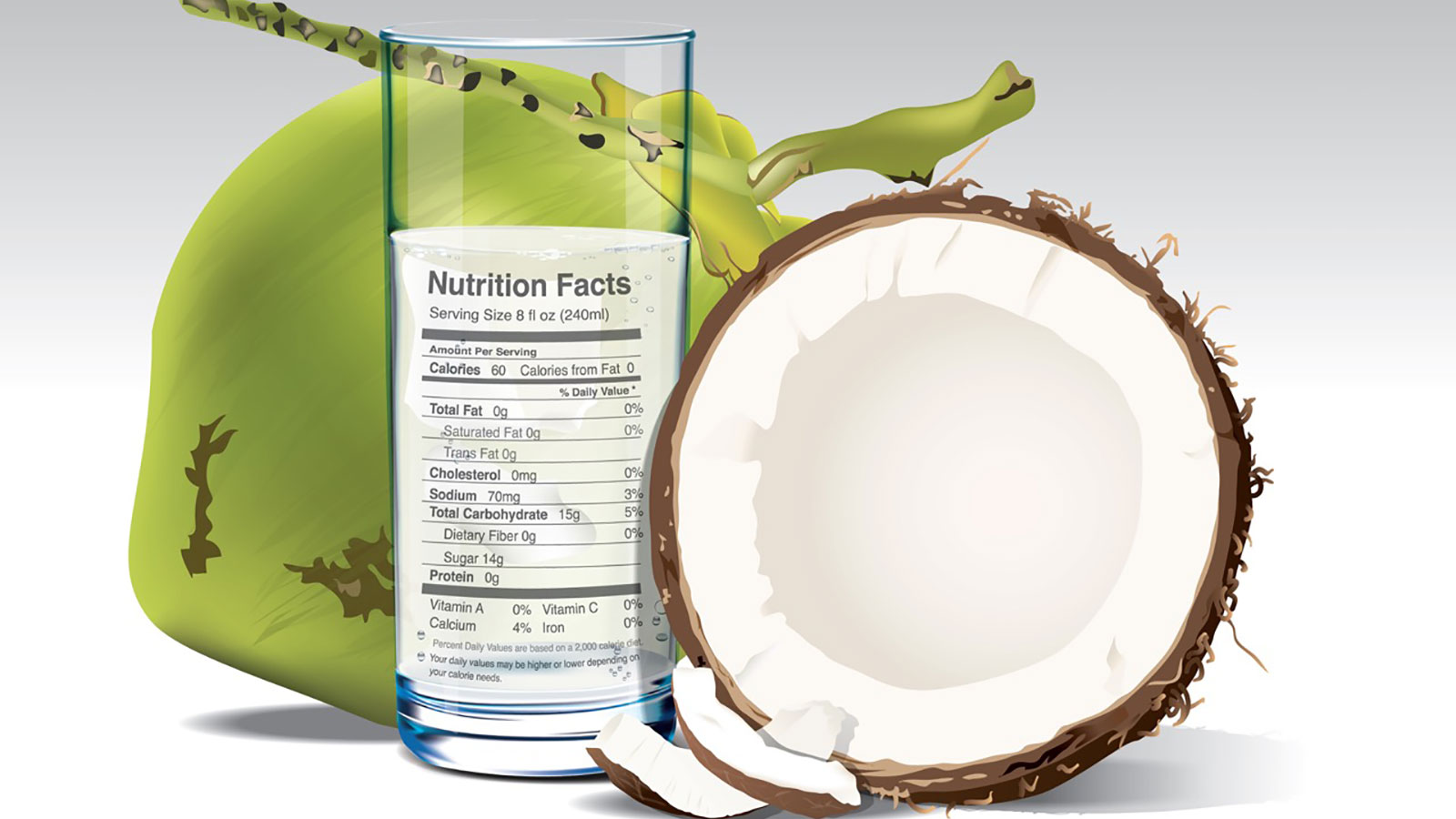
Coconut with jelly inside is not just a delicious and refreshing dessert, it also contains several nutrients that make it a light and enjoyable choice. If you’re tracking your intake or simply curious about what’s inside, here’s a closer look at the nutritional content of jelly coconut (per 100g serving, approximate values):
- Calories: 60–90 kcal
- Carbohydrates: 14–20 grams
- Sugars: 8–15 grams
- Fiber: 1–2 grams
- Protein: Less than 1 gram
- Fat: Less than 1 gram
- Potassium: Around 150 mg
- Vitamin C: Trace amounts
These values can vary slightly based on preparation methods and added ingredients. Homemade coconut jelly cubes with minimal sugar tend to be the healthiest option. Overall, it can be a guilt-free dessert that fits well into a balanced, health-conscious diet when made with natural ingredients.
Calories in coconut jelly
On average, a 100-gram serving of coconut jelly contains between 60 and 90 calories, most of which come from natural sugars and carbohydrates. The exact coconut jelly calories may vary depending on how it’s prepared if additional sweeteners are added.
When made at home using fresh coconut water and little to no added sugar, it can be a relatively low-calorie dessert option that’s both satisfying and refreshing. However, store-bought or prepackaged versions often contain added sugars or syrups, which can significantly increase the total calorie content.
In moderation, coconut jelly can still be a light and enjoyable treat that fits well into a balanced diet, particularly when you choose more natural, minimally processed versions.
Is coconut jelly healthy?
Coconut jelly, made from coconut water and flesh, is more than just a tasty tropical treat, it offers real health benefits. Rich in electrolytes like potassium and magnesium, it supports hydration and helps replenish the body after exercise or heat exposure.
It also contains vitamins C and E, antioxidants, and fiber, all contributing to immune function, digestion, and metabolism. Its fiber helps promote fullness, while natural sugars provide clean energy without processed additives.
Coconut jelly calories are generally low, especially in homemade or unsweetened versions, though added sugar in commercial products can increase the count. Still, it’s a gluten-free, dairy-free option suitable for many diets.
Jelly coconut is good for your health, especially when made from natural ingredients and enjoyed in moderation. It offers hydration, essential nutrients, digestive benefits, and antioxidant support, all while being a refreshing and allergy-friendly treat.
Which coconut jelly is good?
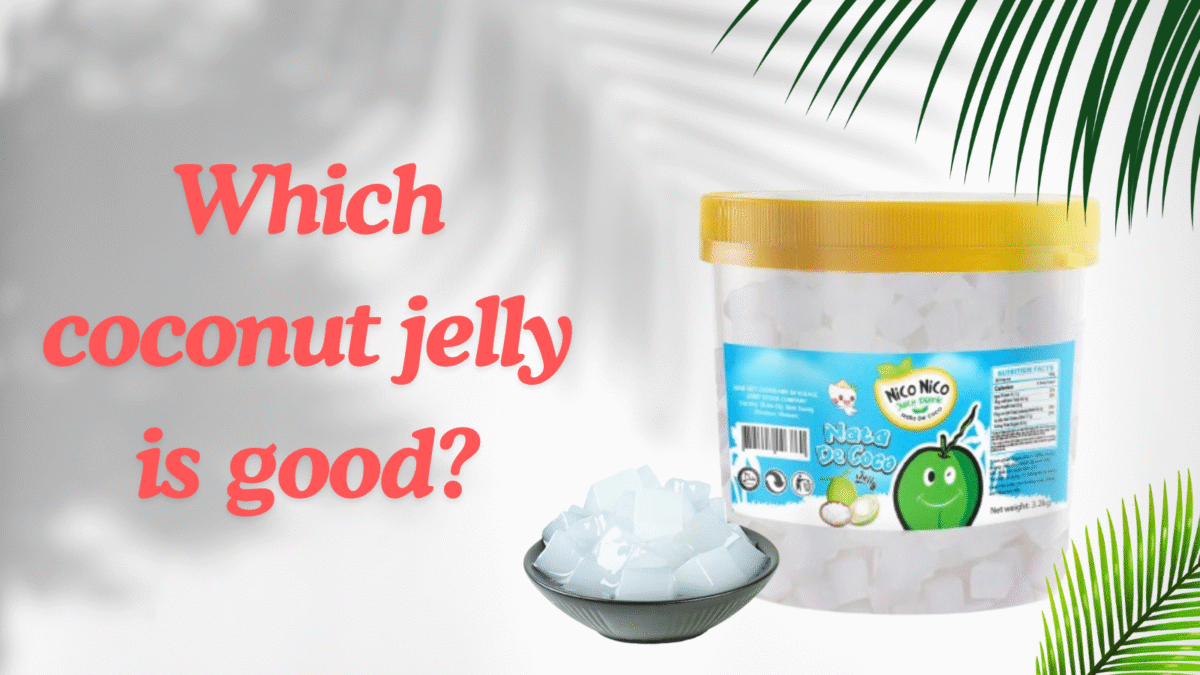
If you’re searching for coconut jelly, one great option is Nata de Coco Jelly with Original Flavor, Nico Nico’s signature jelly product made from fermented coconut water. This jelly features chewy, translucent coconut gel cubes submerged in a mildly sweet syrup. Its clean, refreshing taste and pleasant texture are ideal as a topping for milk teas, fruit infusions, yogurt, or dessert-style drinks. What makes it even more convenient is that it’s ready to use straight from the jar or can, with no cooking or preparation needed. Just open, scoop, and serve.
Thanks to its neutral yet satisfying flavor, Nata de Coco Jelly blends well with a variety of ingredients, adding both chewiness and visual appeal without overpowering other elements in your drink or dessert. Nico Nico’s Nata de Coco Jelly is delicious and a convenient way to elevate your creations at home or in professional kitchens.
Coconut jelly is more than just a delicious and versatile topping, it’s also a relatively light option in terms of calories. Depending on how it’s made, coconut jelly calories typically range from 60 to 90 per 100 grams, making it a smart choice for those watching their intake. When used in popular drinks like the coconut jelly boba, calories may increase slightly due to added sugars and milk, but it remains one of the more balanced toppings compared to heavier alternatives.
If you’re curious about how many calories are in coconut jelly, looking to understand the calories in coconut jelly, or simply want to make informed choices when enjoying your favorite drinks and desserts, knowing what’s inside helps you enjoy every bite without the guilt. Choose high-quality, naturally prepared options to make the most of both flavor and nutrition.